
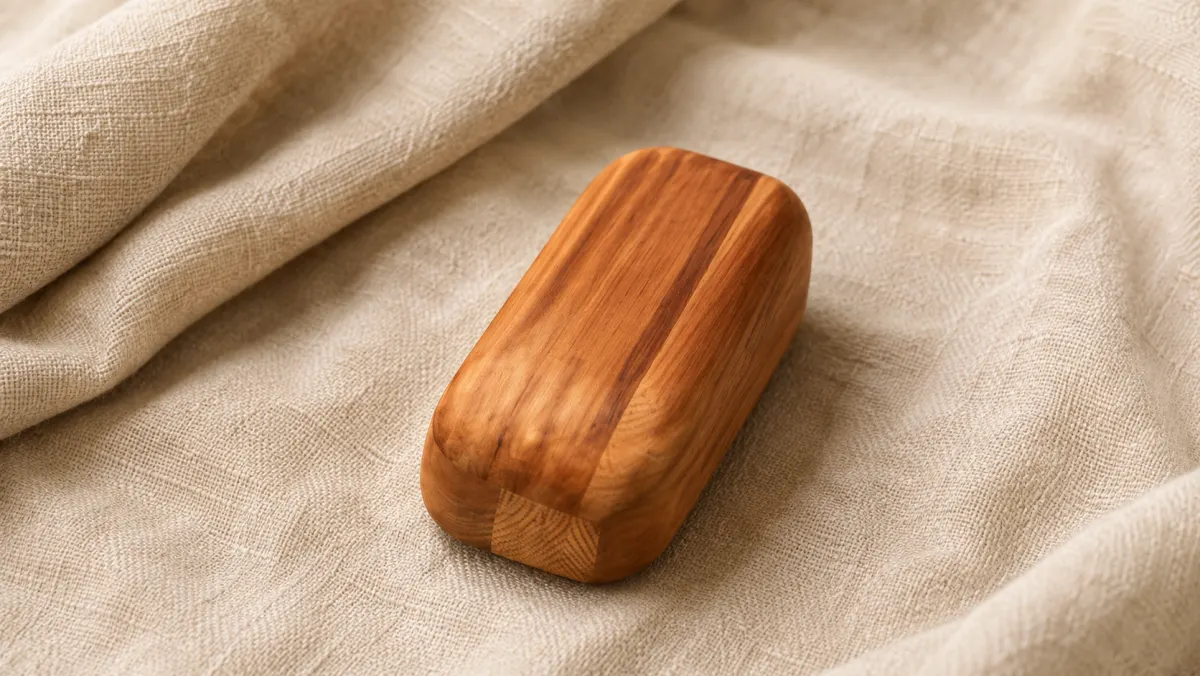
A cedar block can look simple, but it creates a very specific kind of support. Because it does not compress like foam, your body can rest into a steady point of contact while breath and gravity do the deeper work.
If you are new to SloFlow™, the best way to begin is gently. More pressure is not automatically better. A softer beginning often helps the body trust the practice sooner.
Start with less intensity
Use padding, adjust your position, or begin with a rolled towel if you are very sensitive. You can always increase contact later. The body learns best when it is not bracing against you.
Let breath set the pace
If your breath becomes shallow or held, that is useful information. Back off, soften your jaw and shoulders, and let the exhale become longer. In SloFlow™, breath is part of the release.
Keep sessions realistic
Short, regular sessions are often more helpful than occasional heroic ones. Twenty to thirty minutes a few times a week can be enough to build trust, awareness and change.
Consistency matters more than intensity. Your body does not need to be convinced. It needs to be met.
Choose the right block for the moment
The regular block is the most versatile starting point for many people. The little block can be kinder for smaller or more sensitive areas, including the neck, face and sternum. The slope block supports angled release work when you are ready for more nuance.
What a beginner session can look like
Set up a mat or folded blanket, place the block where the class guides you, and let your body arrive slowly. Stay long enough to notice your breath, but not so long that you feel trapped or overwhelmed. If a position feels too strong, add padding, shift your weight, or come off the block and rest.
In the beginning, aim for familiarity rather than intensity. Your first few sessions are about learning how your body communicates: where it grips, where it softens, and what helps it feel safe.
Signs you are doing enough
You may notice warmth, a softening breath, more awareness of an area, or a gentle change in how you move afterwards. You do not need dramatic sensation for the practice to be useful. The more consistent you are, the more your body learns the rhythm.
If you are unsure, a free call with Helen can help you choose a starting point that suits your body.